Raw materials or minerals that are mined from specific areas of the world, in which conflict is taking place, are referred to as conflict minerals. Specifically, these natural resources are mined, traded and/or sold in an effort to perpetuate war and violence in these areas of the world, also known as conflict zones. The four most prominent conflict minerals, as defined by the U.S. Conflict Minerals Law are: gold, wolframite (a source of tungsten), columbite-tantalum (metal ore from which tantalum is extracted), and cassiterite (ore used to produce tin). These four prominent metals are sometimes referred to as “3TG” or the “3T’s” and are all mined in the eastern portion of the Democratic Republic of the Congo.
Howard Precision Metals offers an extensive inventory of aluminum plate, aluminum sheet, and extruded aluminum shapes and is committed to avoiding the use of conflict minerals in any of the aluminum alloys supplied.
Conflict Minerals are defined as raw materials or minerals that are mined from an area in the world in which there is conflict. Conflict zones, such as Uganda and Sudan, are generally run by war lords who use the mining of these minerals to perpetuate war and violence
Funding Source for the Warlords
The 3TG minerals are a significant source of capital for warlords who have been operating in and spreading violence throughout the DRC region for many years. Conflict minerals mined in this region can potentially move through a number of different locations in various neighboring countries as they are conveyed to processing centers, including Sudan, Central Africa Republic, Congo Republic, Uganda, Rwanda, Burundi, Angola, Zambia, and Tanzania, before entering the supply chain. There is a potential for this to occur either with or without the knowledge of relevant parties through the mining or trading stage either in the DRC or another country along the supply chain. Supply chain partners in original equipment manufacturers cooperate to ensure vehicle production on a worldwide basis does not financially support the warlords or fuel the bloodshed in the DRC. Supply chain partners and original equipment manufacturers cooperate to ensure vehicle production on a worldwide basis does not financially support the warlords or fuel the bloodshed in the DRC.
U.S. Requires Reporting on the Use of Conflict Minerals
In 2010, federal law was passed that mandates U.S. listed companies to find out if their products contain at least one of four different minerals – tungsten, tin, tantalum, and gold – derived from Congo or one of nine surrounding countries.
The conflict materials provision, which is section 1502 of the U.S. Dodd Frank Act, attempts to sever the connections between violent and abusive armed groups and the lucrative minerals trade in eastern Congo. Under the provision, U.S. listed companies who are aware that they source minerals from the region are required to form checks, referred to as due diligence, on their supply chains in order to determine whether the purchases they have made of the areas minerals have financially benefited these armed groups. These companies are subsequently required to deliver a public report to the Security and Exchange Commission (SEC) the U.S. regulator, on the steps they have conducted.
Howard Precision Metals is committed to completely avoid conflict minerals in all manufacturing processes. As the premier aluminum supplier and precision aluminum sawing source in the Midwest, the team at Howard Precision Metals has the know-how, resources, and experience to provide customers with the cast aluminum tool and jig plate, aluminum plate, and aluminum extrusion stock required for any project. With customers in various industry sectors including machinery manufacturing, aerospace, robotic automation, building construction, pneumatics, hydraulics, and medical, Howard Precision Metals is still “A Cut Above the Rest”.
For more information about how Howard Precision Metals can serve your specific aluminum requirements, call them today at 800.444.0311 or use the quote request form on HPM’s website.
The degree to which aluminum alloys are machinable hinges upon the mechanical properties as well as the machining processes used. Because aluminum chips easily and is easy to shape, aluminum alloys are considered more machinable than other metals like steel and titanium. Aluminum is abundant and cost effective. They are a great material to use in both prototype and production runs. Aluminum’s machinability results in prolonged tool life, which is a cost savings to manufacturers. At Howard Precision Metals, we offer an extensive range of aluminum products suitable for a wide range of machining applications.
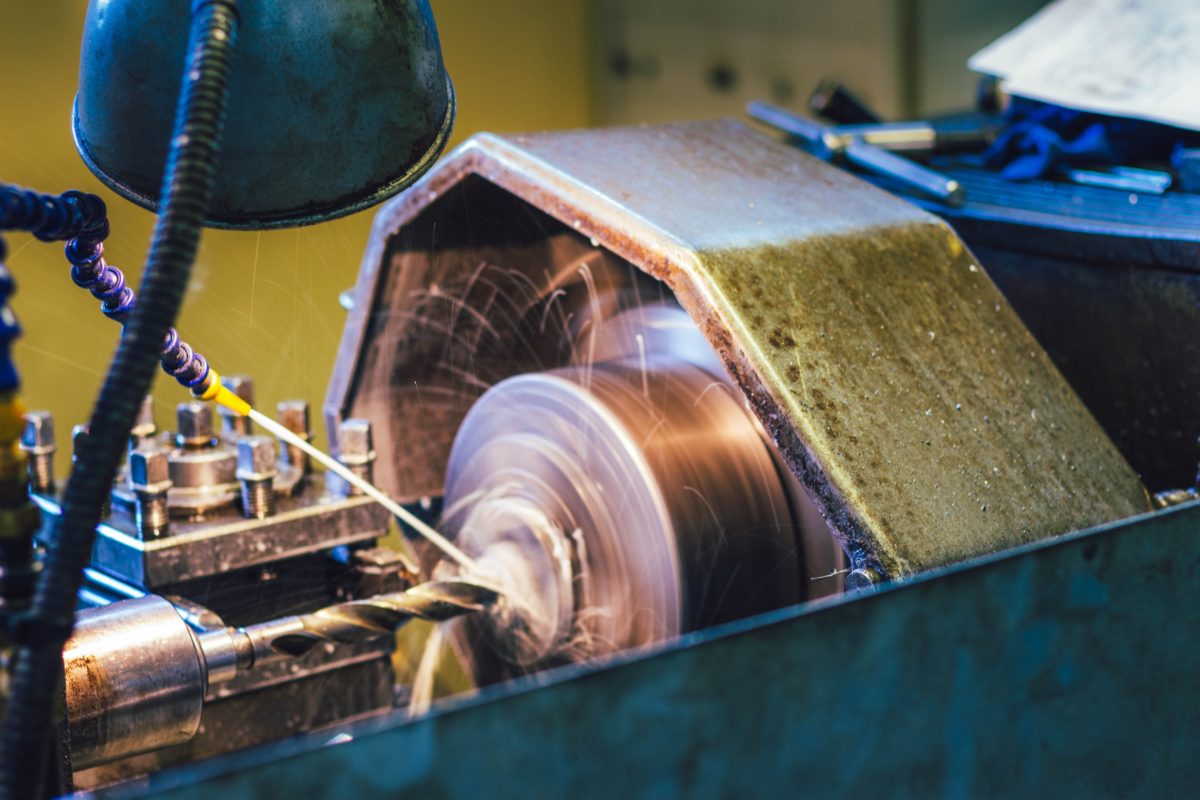
Aluminum is available in a wide range of aluminum alloys that are classified under various series numbers. With each series containing vastly different mechanical and chemical properties, aluminum lends itself to many types of machining processes utilizing many tools, such as the lathe and drill seen in this picture.
Because aluminum alloys are lightweight and machinable, they are used to manufacture a wide range of products. You’ll find aluminum in cell phones, machine parts, automobiles, kitchen utensils, and window frames. Depending on the series of aluminum, the machinability, strength, and hardness will vary a great deal. Keep reading to find out about aluminum series and alloys.
Characteristics of Aluminum Alloys
Aluminum, atomic number 13, is a soft metal that makes up about 8% of the contents of the Earth’s crust. The 3rd most abundant element, right after oxygen and silicon, aluminum is readily available. Because aluminum is a soft metal, different alloying elements are used to make aluminum plate, sheet, and bar products. Each alloying element added to aluminum changes the performance of the end product. The series of aluminum is what is used by the Aluminum Association to organize and define these alloys . The following classes of aluminum alloys have varying properties and characteristics. Each series lends itself to specific industries because of the performance of the alloys.
Aluminum Alloy Series 1xxx
This series consists of 99% pure aluminum with silicon and iron representing the majority of the alloying elements. the 1XXX series aluminum alloys are highly ductile. Because of this, these aluminum alloys are used mainly in the electrical and chemical industries. In addition to being highly form-able, this aluminum series offers excellent corrosion resistance and low mechanical properties. The high thermal and electrical conductivity, partnered with the excellent work-ability makes it a premier choice for electrical applications. Common products made from 1000 series aluminum include aluminum bus bars and heat sinks.
Aluminum Alloy Series 2xxx
Copper is the primary alloying element in this series. Thus, these alloys are also commonly referred to as “copper alloys”. These aluminum alloys possess excellent machinability. When heat-treated, these alloys have mechanical properties similar to, sometimes better than, mild steel. Corrosion resistance, weldability, and brazeability are all rated as poor for this series. However, strength is high and workability is good. Less corrosion resistance is present in these alloys when compared to other aluminum series, which is why cladding is sometimes utilized in 2xxx series aluminum sheet. At Howard Precision Metals, we stock a healthy selection of 2024-T351 plate. This alloy is a very popular choice in the aerospace industry, mainly in the home-build aircraft sector.
Aluminum Alloy Series 3xxx
With manganese as the primary alloying element, the 3xxx series of aluminum alloys possess excellent form-ability. Generally not heat-treated, 3000 alloys are used as general purpose alloys when work-ability and moderate strength are required.
Aluminum Alloy Series 4xxx
With silicon as the primary alloying element, these aluminum alloys have substantially lower melting points without resulting in brittleness. Because of this unique characteristic, 4xxx series are used in welding wire. These aluminum alloys also become dark grey when anodic oxide finishes are applied, which makes them appealing in a wide variety of architectural applications.
Aluminum Alloy Series 5xxx
The aluminum alloys in this series use magnesium and manganese as the primary alloying elements. The addition of these elements result in alloys with a high tensile strength and great form-ability. These alloys also possess good corrosion resistance. Hence, series 5000 aluminum alloys are used in transportation, bridges and marine applications.
Aluminum Alloy Series 6xxx
This series is arguably the most versatile of the aluminum alloy series. The 6xxx series alloys have silicon and magnesium as the principle alloying elements. These heat treated alloys possess good form-ability and corrosion resistance while offering medium strength. One of the most popular alloys in this series is 6061, which is available in sheet, plate, and extrusions. At Howard Precision Metals, we stock 6061-T651 plate and 6061-T6 sheet. This alloy and temper category has been heat treated and stretched for stress relieved. We also stock extrusions in 6061-T6 and 6061-T6511. 6061 aluminum, as well as other 6000 series aluminum alloys, are also used to produce custom aluminum extruded shapes. Because of the versatility of this series, you will find them in applications including architectural products, piping, electrical components, and consumer goods.
Aluminum Alloy Series 7xxx
Primarily known for strength, the 7xxx series aluminum alloys contain zinc as the primary alloying element while also containing copper, chromium, and magnesium. These heat treatable alloys are very high strength with only average machinability. One of the most popular alloys in this series is 7075. The wide range of available tempers of 7075 account for a vast array of mechanical properties. For example, 7075-T651 aluminum plate has a yield strength of 500 MPa and is heat treated. Whereas, 7075-O is not heat-treated and has a maximum yield strength of 140 MPa. 7075 is also known under additional trade names in the industry such as: Ergal, Fortal Constructal, and Zicral. This alloy is also commonly used for mold making. 7000 series mold alloys include but are not limited to: Contal, Alumould, and Hokotol. Common applications of this aluminum alloy series include marine, automotive, defense, and aviation.
Since 1928, Howard Precision Metals has been providing exceptional customer service. With a wide range of aluminum plate and extrusions available and in stock, the team at Howard Precision Metals easily serve the needs of various industries including: medical, aerospace, hydraulic, machinery manufacturing, pneumatic, robotic automation.
For more information, contact Howard Precision Metals today at 800.444.0311 or request a quote on our website.
Lineal aluminum shapes produced by both direct and indirect aluminum presses are referred to, in general terms, as aluminum extrusions. Understanding the differences between these two types of aluminum extrusion presses may benefit your application. Howard Precision Metals supplies customers with a vast array of aluminum product options, including aluminum extrusions, which are highly suitable for a wide range of applications servicing a large number of industries.
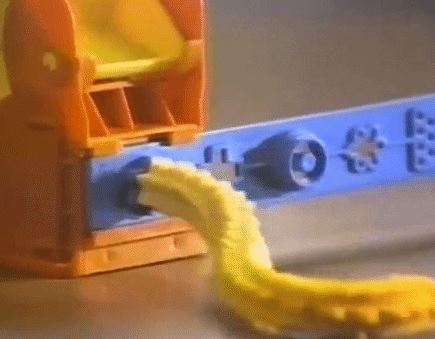
Just like this childhood classic toy, heated aluminum billets are forced through dies in a process called extrusion.
What Are Aluminum Extrusions?
The best way to explain aluminum extrusions and the process by which these products are produces is to simply compare them to a classic toy: PlayDoh®. Believe it or not, this childhood toy perfectly demonstrates the manufacture of extruded aluminum bar products. Instead of PlayDoh®, pre-heated Aluminum billets are pushed through a die with a ram. The die’s shape determines the profile (shape) of the extruded aluminum product. The profile shapes can vary greatly. Our mills can produce extrusions as simple as solid aluminum squares, rectangles, and round bars, and as complex as multi hollow custom shapes with complex geometry and features like screw holes and T-slots.
Factors That Affect Aluminum Extrusion Results
Within any type of extrusion process, various factors must be considered and managed in order to achieve the desired finished product. A change to the process and/or materials used can affect the physical characteristics of the final product. The flexibility available in terms of results attainable for a diverse array of end use applications is the reason the extrusion process is so widely considered.
Some of the manageable factors that can determine the end product results of aluminum extrusions include:
Alloy type
Die shape
Ram speed
Billet shape
Extrusion ratio
Tongue ratio
Surface ratio
Scrap ratio
Temperature
Surface finish
Tolerance
Symmetric design
Ability to assemble finished products
Direct Aluminum Extrusion Press
Direct aluminum extrusion presses are the most common extrusion method. In this method, heated aluminum (billet) is placed into a heated walled container. Then, the metal is forced through the die (mold) with the use of a ram. There is an immense amount of pressure in this step of the process. Aluminum extrusion presses can exert anywhere from 100 to 15,000 tons or more! The aluminum press’ capacity for pressure determines how large of a shape it can produce.
Also, there is a dummy block of material placed between the ram and the heated billet during this step. This is done to prevent the two elements, the heated aluminum billet and the ram, from making contact. Because the ram and aluminum billet move forward in the same direction, this method is also commonly referred to as the forward aluminum extrusion process. As the pressure is applied by the ram, the soft aluminum billet is squeezed through the hole of the die. In the manufacture of 6061-T6511 aluminum extrusions, the hot extruded aluminum profiles are then water quenched, stretched and sawn to length. This direct method is the most common method used to produce aluminum extrusions.
Indirect Aluminum Extrusion Press
Also referred to as the backward extrusion method, indirect presses work a bit differently than direct presses. In this method, the container and the billet move together while the die and the ram remain in place. This process is carried out through the use of a stem which must be longer than the container. As a result, the billet is pushed through the die, which remains stationary. This method results in less friction allowing for the heat to be better controlled than in the direct process. Indirect methods generally result in more consistent product quality because the force exerted in the process remains relatively steady. Because of greater temperature consistency from the front to the back of the push in the indirect method, grain structure and mechanical properties tend to be of higher quality. There are size limits to the indirect process and few extruders in North America that even have these capabilities. Hydro aluminum has 2 indirect presses in their Cressona, PA facility that they use to product a range of their Acc-U-Rod® product line or round stock. Following is a link to an article written about the Indirect process from 2012 in Production Machining Magazine. Howard Precision Metals is a proud distributor of Hydro products. If specifically looking for product produced by the indirect process, be sure to request Hydro product by name to verify you will get an extrusion created through an indirect extrusion method.
Types of Profiles Used in Aluminum Extrusion Processes
It is possible to create a wide range of complex aluminum extrusion profiles at various thicknesses. The profiles created can include numerous intricately spaced empty spaces per the required design for the application. These voids in the extruded shape are provided to enable various automation requirements of the design and also comply with certain weight and performance requirements.
At Howard Precision, we offer extruded aluminum shapes in sizes ranging from small to large. Cross-sectional dimensions are used to measure the size of aluminum extrusions. The types of shapes that may be produced through extrusion is innumerable. A common extruded aluminum profile is the hollow beam profile, derived from the square profile. Other types of profiles often created include L-shaped, single radius, and triangular.
Is the Indirect Extrusion Process Better Than the Direct Extrusion Process?
While the process of indirect extrusion is more efficient, it is not without its challenges. This process enables the extrusion of larger sized billets at a faster pace. This method of extrusion also exposes the containers to less wear and tear. Over time, this method produces less die cracking due because there is a reduction of frictional forces and heat formation. With this level of consistency and process control, there are less extrusion defects.
The finished extrusions produced indirectly are also affected by billet surface imperfections to a significant degree. Because the billets are cast without friction, any small particle on the surface of the billet greatly affects the surface finish of the aluminum extrusion. For this reason, chemically cleaning, or scalping the billet of imperfections prior to extrusion process is necessary to remove dirt and oil. The extra step helps to avoid these problems.
However, the indirect extrusion presses are not as versatile as the direct extrusion presses. As stated before, the direct method is the most common one. Because of the simplistic nature of the direct process, more complex shapes are able to be produced. Even though more force is required to produce profile in this method, the range of complexity of the end product is why the direct method is still the go to manufacturing process.
Direct and Indirect Aluminum Extrusion Applications
The extrusion of aluminum is a technology used extensively to create efficient, durable, and high performance shapes in a number of industries. The features of aluminum and aluminum alloys are quite unique and provide distinct advantages over other materials for many applications.
There are few other materials that possess a combination of characteristics such as corrosion resistance, stiffness, strength, lightweight, and that provide the ability to be easily manufactured and fabricated. Therefore, aluminum extrusions developed through the direct and indirect extrusion processes are used in a variety of commercial and industrial applications.
The popularity of aluminum extrusions has no sign of fading soon. The possibilities are numerous when it comes to the ways in which extruded aluminum alloys can be applied to applications in a wide range of industries.
The various industries that make use of direct and indirect aluminum extrusions include:
Building and construction (windows, doors, curtain walls, greenhouse structures, home décor
Machinery and machine tools (laboratory tables, working tables, production lines,
Trust the Team at Howard Precision Metals with your Aluminum Needs
As one of the largest 100% aluminum service centers in the country, Howard Precision Metals knows aluminum. With more high speed aluminum precision saws under one roof than anyone else, we have the capacity to cut all of your aluminum plate and aluminum extrusion jobs, no matter the size. With the aluminum resources, skills, and experience, our team easily serves customers in a range of industries.
Our customer industries include hydraulic, robotic automation, building construction, aerospace, medical, pneumatic, machinery manufacturing, and much, much more. The next time you need aluminum extrusions, aluminum plate or aluminum sheet, let us help. Call us today at 800.444.0311 or submit a request for quote form to find out how Howard Precision Metals can service all of your aluminum requirements.